
Find Your Home Turf. The Atlas of Athletic Arenas.
Navigate the UK's top-tier multi-sport halls, iconic outdoor pitches, and elite tournament venues without the guesswork. Comprehensive culture guides for amateur leagues.
Verified Tournament & League Venues
Our meticulously curated selection of the highest-rated amateur and grassroots athletic facilities.
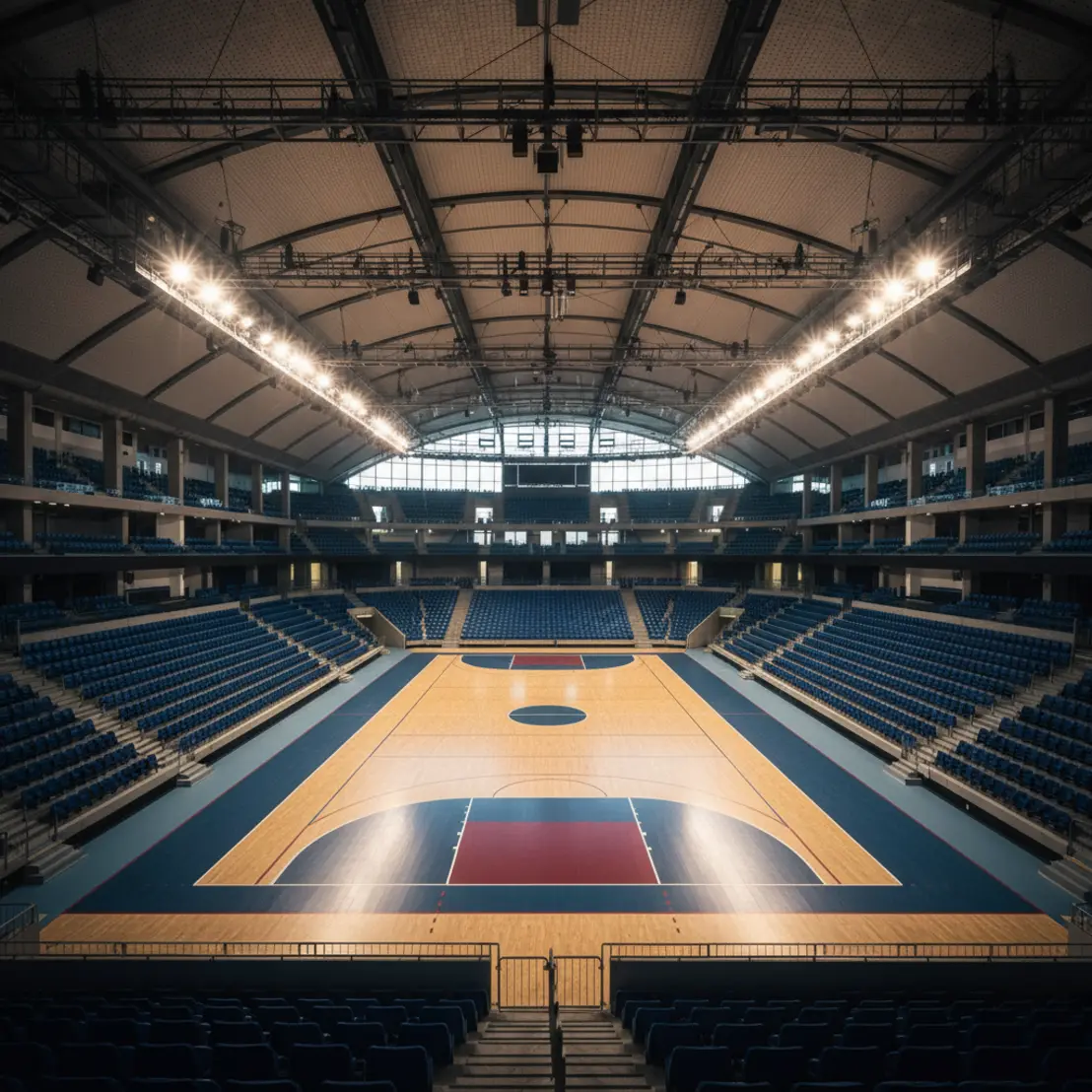
The London Stadium Annex
Greater London, United Kingdom
Situated on the edge of the capital's premier sports district, the Annex provides professional-grade lighting and pristine hybrid surfaces. It is celebrated by coordinators for its superior changing facilities, dedicated warm-up zones, and immense spectator capacity, making it the ultimate choice for regional finals.
- Sport Fit: Multi-sport, Indoor Football, Basketball
- Layout: 4 Court Multi-Hall
- Culture Angle: High-stakes regional championships
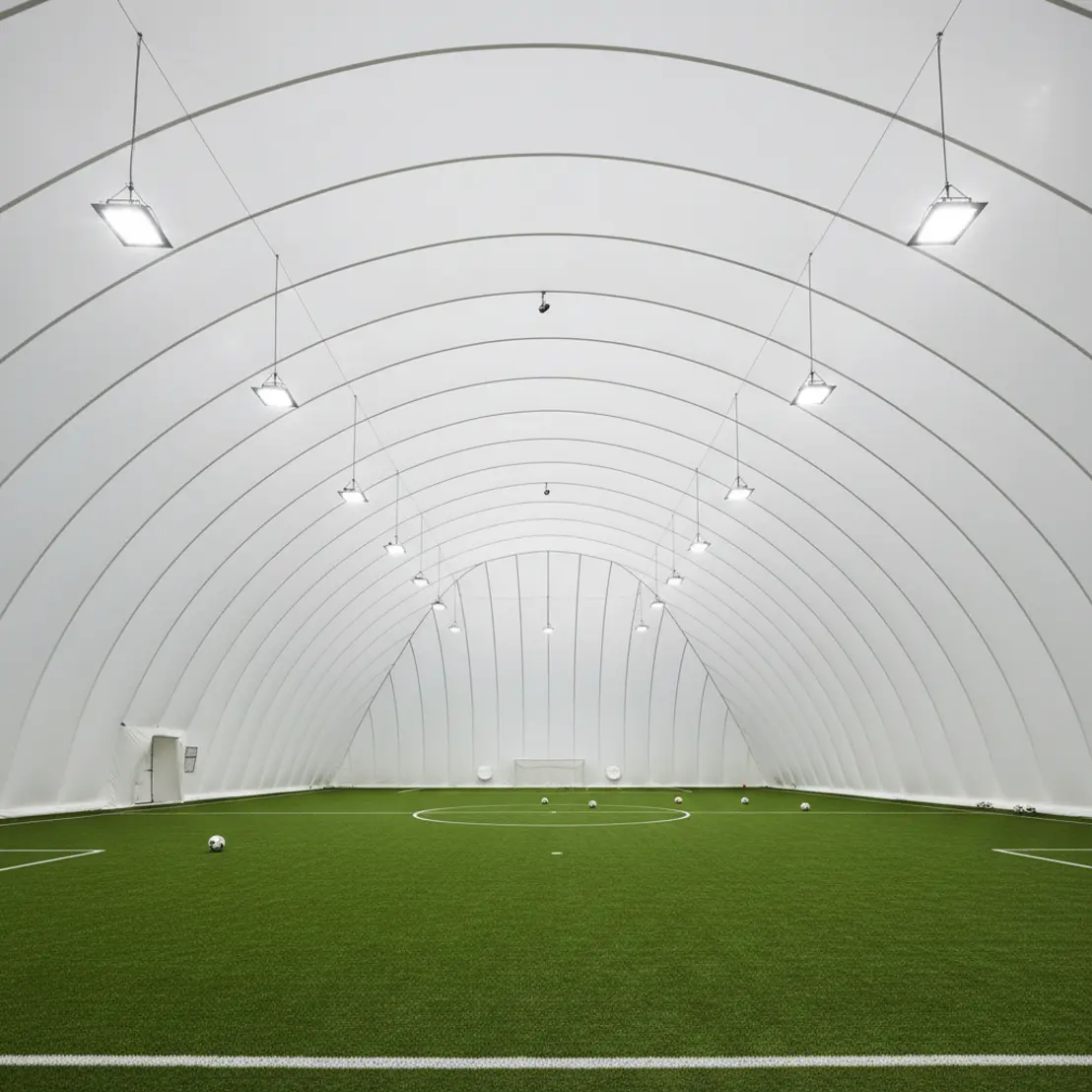
Yorkshire Football Dome
Yorkshire, United Kingdom
Guaranteeing play regardless of the fierce northern weather, this immense dome provides a flawless 4G synthetic turf surface. The acoustics are famously thunderous, amplifying the intensity of 5-a-side and 7-a-side amateur clashes. Features include rapid-entry airlocks and highly durable sidewalls.
- Sport Fit: 5-a-side, 7-a-side Football
- Layout: Inflatable Dome, Synthetic 4G Turf
- Culture Angle: Winter endurance leagues
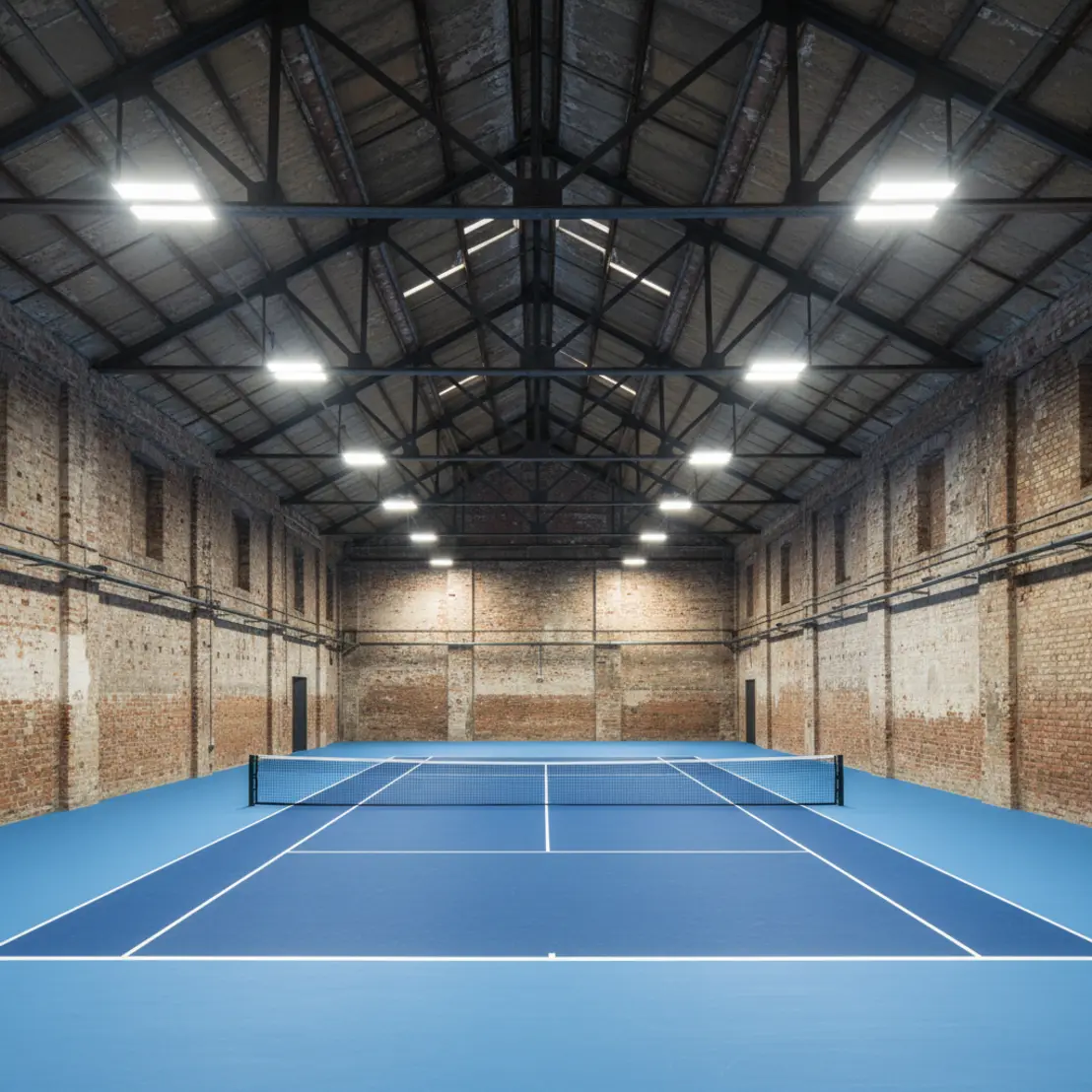
Sheffield Racket Club
Sheffield, United Kingdom
Blending Victorian industrial architecture with elite modern acrylic hardcourts, the Sheffield Racket Club is a haven for serious amateur tennis and squash teams. The facility maintains strict lighting standards to eliminate glare, ensuring optimal visibility during fast-paced competitive rallies.
- Sport Fit: Tennis, Squash, Badminton
- Layout: Acrylic Hardcourt, Heritage Building
- Culture Angle: Heritage competitive play
Tournaments
We organise amateur competitions at the best venues in our atlas — complete with fan zones, food, and drinks.
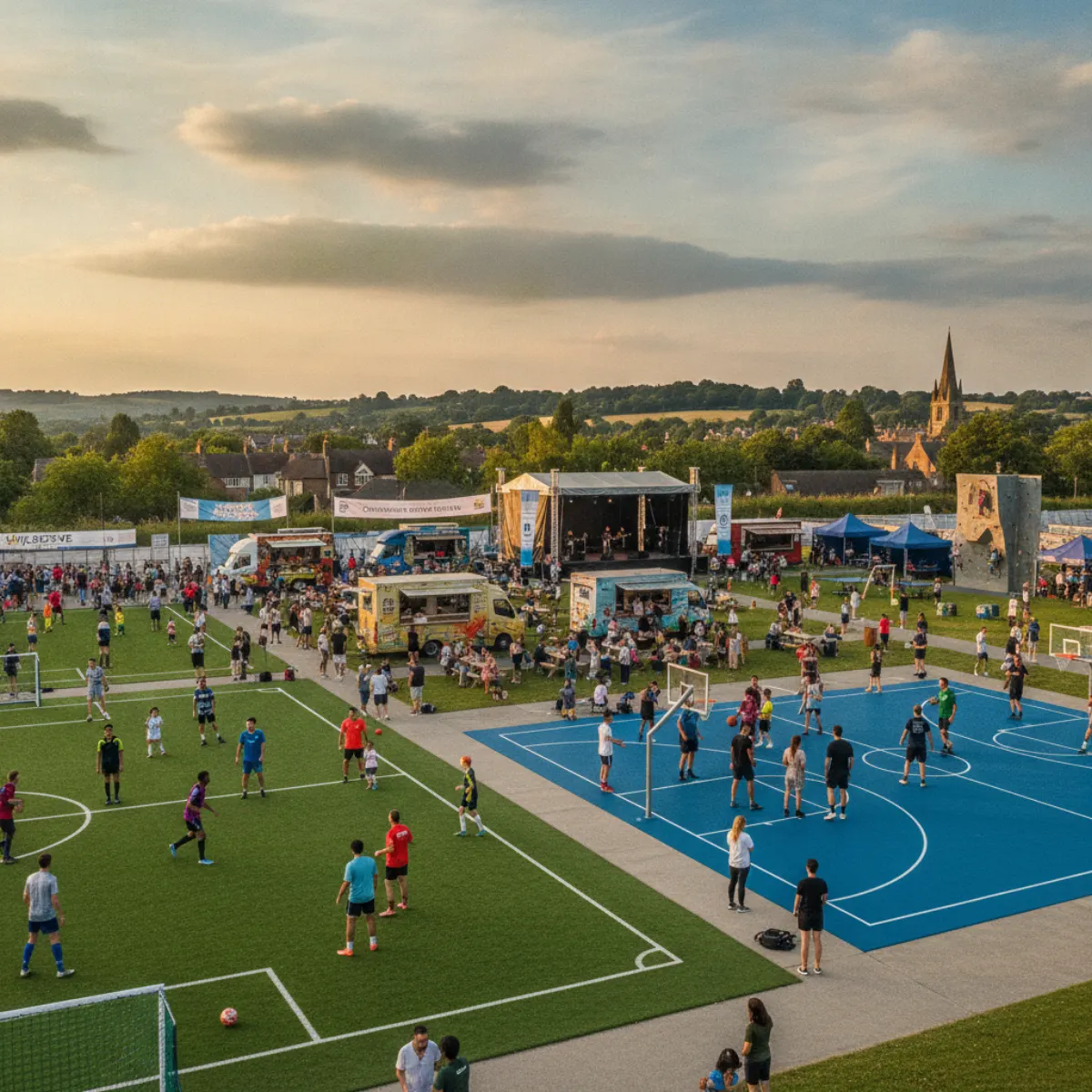
Aurasport venues regularly host amateur tournaments: weekend football leagues, basketball cups, beach volleyball, and field hockey. Teams at every level — from corporate squads to grassroots clubs — find professional surfaces, lighting, and spectator infrastructure here.
- The London Stadium Annex — multi-sport halls, regional finals
- Yorkshire Football Dome — indoor 5-a-side and 7-a-side football, winter leagues
- Sheffield Racket Club — tennis, squash, badminton
- Birmingham Ice Hub — hockey and team sports
- Severn Beach Courts — beach volleyball and summer festivals
The Engineering & Culture of Amateur Sports Environments
Choosing the right arena dictates the quality of the competition. From the tensile strength of an indoor football dome to the lux output of a municipal sports center's floodlights, we dissect every variable to provide team coordinators with the ultimate logistical playbook.
Surface Architecture: 4G Turf vs. Sprung Timber
The distinction between surface materials in grassroots sports venues cannot be overstated. A modern 4G synthetic turf pitch, such as the one found at the Yorkshire Football Dome, utilizes a deep sand and rubber infill system that accurately replicates the biomechanical response of natural grass. This reduces kinetic shock on the lower joints during aggressive decelerations, a critical factor for aging weekend leagues. Conversely, traditional municipal sports centers rely on sprung timber floorboards. At venues like the Ilford Community Pavilion, the flooring system incorporates resilient pads beneath the wood, offering high energy return essential for the vertical leaps in basketball and the rapid lateral movements in badminton. Selecting a facility without understanding its sub-floor engineering directly impacts tournament fatigue and injury rates. Our editorial team rigorously examines these specifications, ensuring team captains have access to objective surface data before committing their squads to seasonal campaigns.
Furthermore, maintenance protocols dictate surface longevity. A highly rated venue actively monitors infill depth and performs regular brushing to prevent compaction. When comparing outdoor field complexes to indoor domes, the presence of these operational standards often separates elite regional hubs from decaying municipal cages. We cross-reference official facility reports with real-world amateur team feedback to determine actual playing conditions over a prolonged winter season.
Illumination Dynamics: Navigating Venue Lighting Quality
In the realm of evening amateur fixtures, photometrics are just as crucial as pitch dimensions. High-velocity sports demand strict adherence to lighting lux levels to prevent visual fatigue and tracking errors. For example, heritage racket venues like the Sheffield Racket Club employ downward-firing, anti-glare LED matrices specifically calibrated to prevent blindness when tracking an overhead lob. Typical community multi-sport halls often suffer from outdated sodium vapor lighting, which casts long, distorting shadows and hums distractingly, disrupting the focused atmosphere required for league nights.
Our facility assessments prioritize arenas that have upgraded to modern, flicker-free LED arrays. The Birmingham Ice Hub, notorious for its brilliant, shadowless illumination, achieves a staggering lux output that reflects off the freshly resurfaced ice, creating a professional-grade visual environment that elevates the intensity of adult amateur hockey series. We instruct league organizers to scrutinize these lighting details, especially when evaluating urban cages or outdoor pitches where localized floodlight failure can entirely derail a crucial promotion-deciding match.
The Psychology of the Changing Room & Spectator Flow
A venue is not merely defined by its playing surface; the peripheral infrastructure dictates the holistic team experience. The psychological preparation preceding a critical amateur tournament finals match relies heavily on the quality of the dressing rooms. The London Stadium Annex sets the gold standard by providing expansive, climate-controlled team quarters that allow coaches to deliver tactical briefings without claustrophobia. Secure locker access, robust bench seating, and adjacent, hygienic shower blocks are non-negotiable elements for serious regional squads traveling long distances.
Additionally, spectator access routes shape the cultural atmosphere of a venue. The Severn Beach Courts utilize natural coastal banks and sheltered spectator zones to create an amphitheater effect, amplifying the noise of the crowd and insulating the players from coastal crosswinds. When evaluating a site for multi-division tournament hosting, coordinators must trace the exact path from the car park to the bench area, ensuring that overlapping team arrivals do not cause bottlenecks. We verify these logistical flows through rigorous architectural reviews and testimonies from seasoned weekend organizers.
Cultural Gravity: The Manchester Urban Cage Phenomenon
Some arenas transcend their architectural limitations to become cultural institutions. The Manchester Urban Cage is a prime example of an environment where raw intensity outshines premium amenities. Enclosed by heavy steel mesh and layered over unyielding textured concrete, the venue demands absolute technical precision and physical resilience. It is a historic testing ground where grassroots street leagues forge their identities under harsh sodium lights. The aesthetic is brutalist, the boundaries are unforgiving, and the culture is fiercely territorial.
Understanding this cultural angle is imperative. A team accustomed to the pristine, controlled environment of a sprung-wood multi-sport hall may find themselves entirely disoriented by the fast-paced, ricochet-heavy mechanics of a walled urban cage. Our directory categorizes these intangible atmospheric traits—tagging venues not just by their physical dimensions, but by their historical weight and the style of play they enforce. This ensures that a team captain looking for a grueling, high-intensity street tournament does not inadvertently select a quiet, heritage tennis pavilion.
Navigating Facility Sources and Verification Protocols
Aurasport operates under a strict mandate: we do not process bookings, manage availability, or accept payments. We exist purely as an objective, independent editorial atlas mapping the athletic landscape. Because municipal governance and private facility management frequently update their operational hours, surface maintenance schedules, and public access policies, reliance on static historical data is perilous for event organizers. We mandate that all users cross-reference our editorial profiles with the official external source links provided on each venue card.
Our source verification methodology involves aggregating public municipal records, established club bulletins, and direct communications from venue operators to synthesize our directory ratings. If a high-capacity multi-surface tournament hub like the Humber Outdoor Pitches undergoes extensive drainage renovations, our team documents the technical specifications of the upgrade, translating agricultural engineering data into actionable insights for rugby and football captains. However, final confirmation regarding seasonal leasing rates or tournament booking windows must always be executed directly with the facility's official management entity.
Facility Comparison Matrix
1. Surface Resistance
- Assess biomechanical impact (Sprung vs Concrete).
- Verify synthetic turf infill depth for heavy contact sports.
- Check seasonal drainage capabilities for natural grass complexes.
2. Lighting Standards
- Ensure minimum 500 lux for high-speed tracking sports.
- Identify anti-glare downward fixtures in racket sport halls.
- Avoid legacy sodium bulbs that produce color distortion.
3. Team Logistics
- Calculate maximum occupancy for dedicated dressing rooms.
- Map the route from the transit parking to the team bench area.
- Review the acoustic properties for tactical sideline communication.
4. Sourcing & Verification
- Always trace data back to the primary facility operator.
- Confirm seasonal operational changes directly with municipalities.
- Use our editorial score as a baseline for architectural quality.
Dispatch from the Sidelines
Authentic tactical observations from amateur league coordinators and team captains.
"Before finding the architectural breakdowns on Aurasport, we booked a tournament at a facility that claimed to have 'premium 3G'. The pitch was basically compacted carpet. Understanding the exact yarn type and infill depth of the Yorkshire Dome completely changed our winter scheduling strategy. We don't book anywhere now without reading the editorial analysis first."
"Logistics are everything for an adult amateur team. We carry massive amounts of gear. The detailed notes regarding the dressing room dimensions at the Birmingham Ice Hub saved us from another claustrophobic away-game disaster. Knowing exactly how the facility operates before we arrive gives us a massive psychological advantage."
"It's rare to find a directory that actually understands the culture of the venues. Aurasport’s write-up on the Manchester Urban Cage perfectly captured the brutalist, high-intensity nature of the court. You need to know what kind of atmosphere you're walking into—it’s not just about square footage, it’s about the soul of the arena."
"I appreciate that this site isn't trying to sell me a booking slot. It acts strictly as an intelligence hub. When evaluating the Ilford Community Pavilion, the breakdown of the sprung-wood flooring mechanics versus standard gymnasium laminate was incredibly thorough. We cross-checked the specs with the operator and booked our regional finals there."
Directory Operations & Methodology
Our editorial scores are derived from a comprehensive architectural and logistical analysis of each facility. We evaluate surface integrity, lighting quality (lux output and glare reduction), auxiliary infrastructure (changing rooms, spectator banks, equipment storage), and overall maintenance history. We cross-reference municipal engineering reports with tactical feedback from established amateur league coordinators to formulate a baseline score out of ten. This rating represents the facility's capability to host high-stakes competitive environments, not subjective consumer popularity.
Aurasport is strictly an independent, catalog-only editorial directory. We do not operate as a booking agency, facility broker, or transactional platform. This structural separation ensures that our venue analyses remain entirely objective and unaffected by commission incentives or leasing contracts. To secure a reservation, organize a site visit, or inquire about seasonal leasing rates, you must navigate to the external official source links provided on each venue profile and communicate directly with the respective facility management entity.
Our editorial team conducts bi-annual reviews of all featured arenas to monitor major capital renovations, such as synthetic pitch resurfacing, LED lighting overhauls, or structural expansions. However, because local administrative policies regarding operating hours and public accessibility can shift rapidly, we strongly advise all organizers to verify the current status of a venue directly with the official operator prior to drafting league schedules or tournament brackets.
Yes. We actively rely on intelligence from the grassroots sporting community to identify emerging or historically significant facilities. Team captains and league directors can submit detailed architectural and cultural reports regarding uncategorized venues through our dedicated Contact page. All submissions undergo a rigorous verification process where our team analyzes the site's specifications against our high-octane editorial standards before it is considered for inclusion in the public atlas.